Induction Cooktop Downsides: Cookware, Cost, Noise
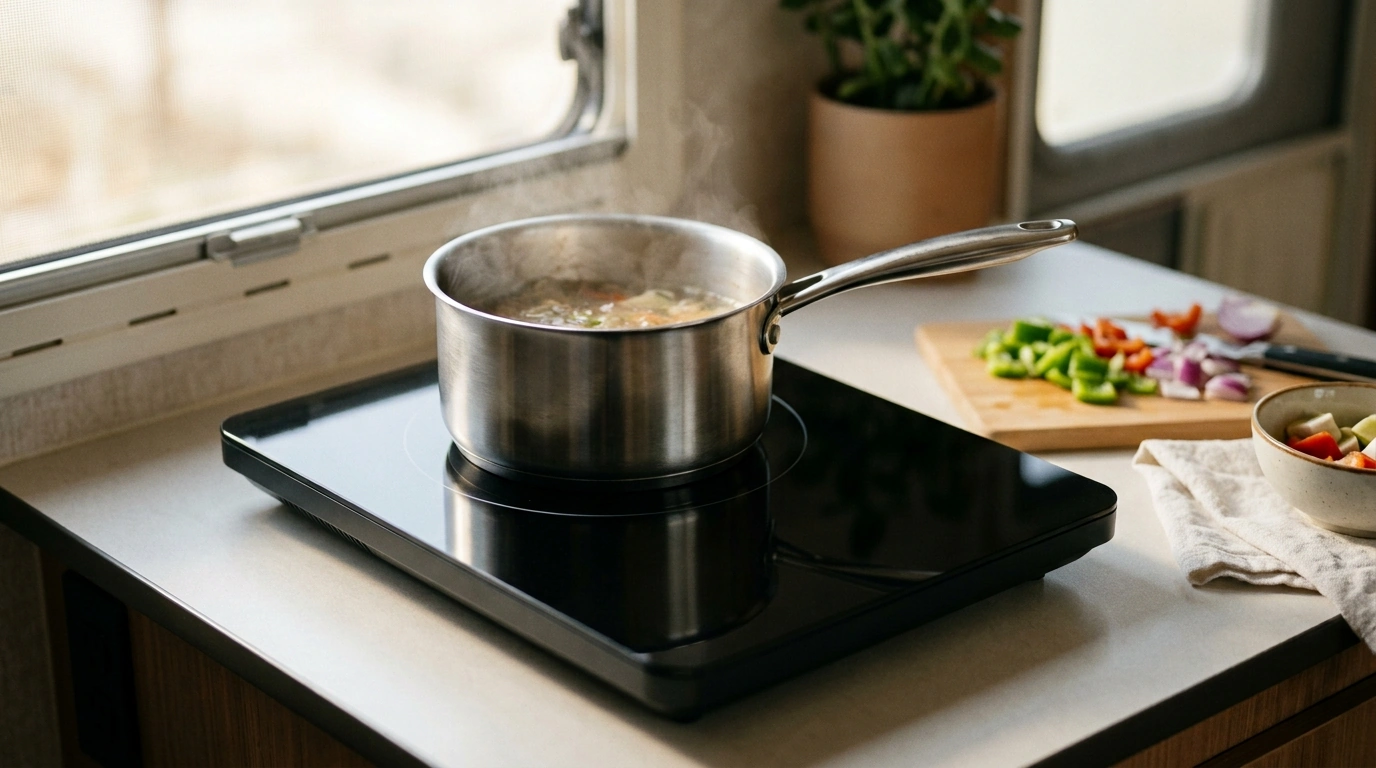
What is the downside of an induction cooktop?
The biggest downside of an induction cooktop is that it only works with magnetic cookware. If a pot or pan doesn’t have a ferrous (magnet-attracting) base, the burner won’t heat it at all—so switching to induction can mean replacing some or all of your current cookware.
Another common drawback is cost. Induction units (especially built-in models) and compatible cookware often cost more upfront than basic electric coil or some gas setups. Even with a portable single-burner model, the “all-in” price can rise if you need new pans.
Induction can also feel less forgiving for certain cooking styles. Because it responds extremely fast, it’s easy to overshoot temperatures until you get used to the power levels. Some users notice pulsing at low settings on certain models, where the heat cycles on and off to maintain temperature—fine for simmering most foods, but occasionally annoying for delicate sauces.
Noise and vibration are real-world trade-offs too. A cooling fan is normal, and some cookware can buzz or hum due to magnetic interaction. It’s not usually loud, but it’s noticeable in a quiet kitchen.
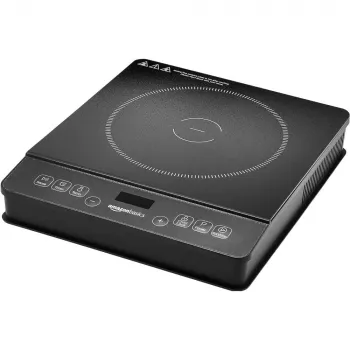
Finally, there are practical limitations: the glass surface can scratch if cookware bottoms are rough, and the electronics rely on stable power. If you’re considering a portable unit, it helps to check wattage, controls, and cookware requirements first. For a deeper look at features and day-to-day use, see the guide here: 1800W Portable Induction Cooktop Guide.
For Induction Cooktop Downsides: Cookware, Cost, Noise, the best answer depends on fit, material, care instructions, and how the product will be used day to day.
Checking those details first helps avoid a poor match and keeps the choice practical after delivery.
FAQ
Do induction cooktops use a lot of electricity?
They can draw significant power while heating, but they’re efficient because they heat the pan directly with minimal wasted heat. Total energy use depends on wattage, cooking time, and how often it runs at high power.















Leave a comment