1800W Portable Induction Cooktop: Fast, Precise, Compact
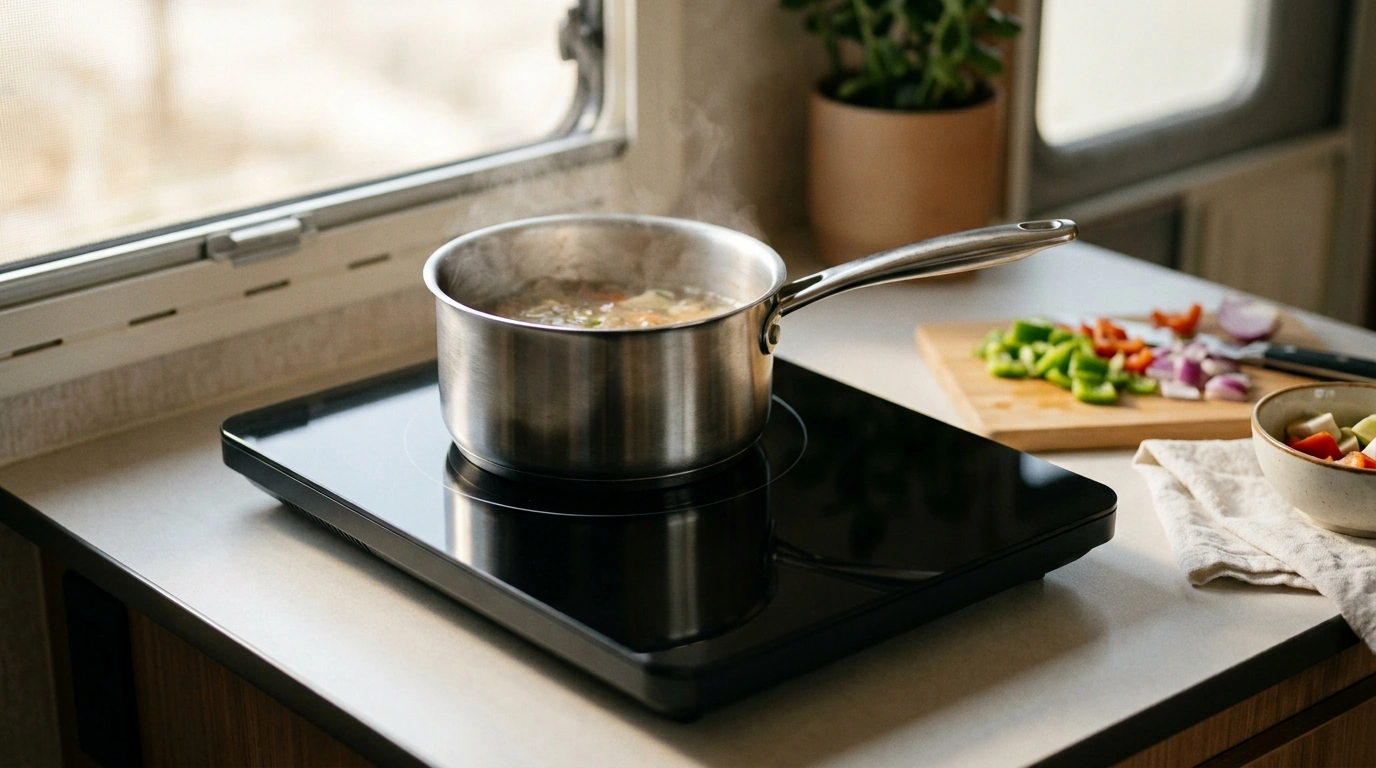
A portable induction cooktop can turn a small counter, dorm room, RV, or backup kitchen setup into a fast, controllable cooking station. This 1800W single-burner model pairs a smooth glass stovetop with LED touch controls for quick heat changes, easier cleanup, and a compact footprint that stores away when not in use.
What this single-burner induction cooktop does best
When space is limited but you still want real cooking performance, induction shines. Instead of heating a coil (or the air around a gas flame), induction transfers energy directly into compatible cookware, which helps speed up weeknight tasks and keeps the cooking zone more controlled.
- Delivers fast heat-up for boiling, searing, and quick meals without waiting for a coil or burner to warm up
- Offers precise, repeatable control via an LED touch panel for steady simmers and quick power changes
- Fits small spaces and temporary setups: apartments, office kitchens, RVs, camping with power, and holiday cooking overflow
- Keeps surrounding surfaces cooler than many hot-plate styles because heat is generated in the pan
Key features to look for on an 1800W portable induction unit
Not all portable induction burners feel the same day to day. The best experience comes from easy controls, practical safety features, and a surface that’s simple to maintain after a busy meal.
- Power range and steps: More levels (or temperature presets) help reduce scorching for delicate sauces.
- Timer functions: Useful for hands-off boiling, rice, pasta, and meal prep routines.
- Safety protections: Auto-pan detection and automatic shutoff help reduce risk when cookware is removed.
- Stable feet and low-profile body: Helps reduce sliding when stirring and moving ingredients.
- Glass cooking surface: Wipes clean after splatter and boil-overs, keeping the unit presentable between uses.
Performance and control in everyday cooking
An 1800W single burner is built for the jobs most people do daily: boiling water, sautéing, browning, and simmering. The big advantage is responsiveness—small adjustments can produce noticeable results, which is helpful when cooking foods that go from “not yet” to “overdone” quickly.
High-power tasks
High output is ideal for boiling pasta water faster, bringing soups to temperature, and browning proteins in a compatible skillet. For searing, preheating the pan briefly and patting proteins dry helps maximize browning without sticking.
Mid-range cooking
Mid settings typically cover the bulk of weeknight cooking: sautéing vegetables, frying eggs, heating tortillas, and maintaining a gentle bubble for chili or broth. Induction’s steady energy delivery can make it easier to hold consistent heat than many basic electric hot plates.
Low settings and “gentle” control
Low heat matters for melting chocolate, keeping food warm, and preventing burn-on in small pots. Using a heavy-bottom saucepan (or a cast iron/tri-ply base) improves stability and reduces hot spots during delicate cooking.
Planning around a single burner
A single burner works best with one-pan meals, sequential cooking (cook the protein, then the sides), or pairing with another heat source such as a microwave, toaster oven, or a second portable burner when needed.
Cookware compatibility and how to test it
Induction requires magnetic cookware. Many stainless-steel lines are compatible, and cast iron is a classic match. Before buying new cookware, a simple magnet test can save time: if a fridge magnet sticks firmly to the bottom, it should work on induction.
- Induction requires magnetic cookware; common compatible materials include cast iron and many stainless-steel pans
- A quick test: a fridge magnet should stick firmly to the bottom of the pot or pan
- Flat-bottom cookware improves contact and heating consistency on a glass surface
- Avoid using warped pans; they reduce efficiency and can lead to uneven heating
Cookware compatibility guide (quick check)
| Cookware type | Works on induction? | Notes |
|---|---|---|
| Cast iron | Yes | Excellent heat retention; can be heavy—lift carefully to protect the glass surface |
| Magnetic stainless steel | Usually | Magnet should stick; performance depends on base design |
| Non-magnetic stainless steel | No | Some stainless lines are not induction-ready—use the magnet test |
| Aluminum (plain) | No | Works only if bonded to a magnetic base |
| Copper (plain) | No | Works only with a magnetic induction plate or bonded base |
| Glass/ceramic cookware | No | Not induction-compatible unless designed with a magnetic layer |
Safety, comfort, and countertop considerations
Portable cooking is convenient, but it’s still cooking—set up the space so stirring, moving pans, and venting steam feels natural.
- Use on a stable, heat-resistant, well-ventilated surface with clearance around the unit
- Keep the cord routed away from the cooking area to avoid snags when moving pots
- Handle cookware with care; induction can heat pans quickly and produce steam bursts when adding liquids
- If using cast iron, set it down gently and avoid dragging to help prevent scratches on the glass
For additional background on induction operation and efficiency, see the U.S. Department of Energy overview of induction cooking. For general kitchen safety reminders, the National Fire Protection Association’s cooking safety guidance is a useful reference.
Cleaning and maintenance for a glass stovetop
Who this portable cooktop is a good fit for
Product overview and quick specs
In-stock picks to build a more flexible setup
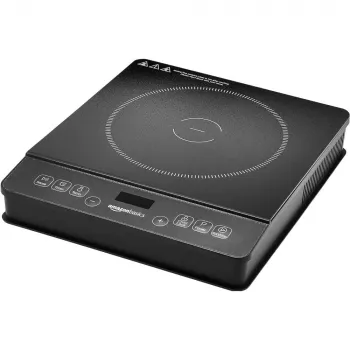
- 1800W Portable Induction Cooktop – LED Touch Controls, Glass Stovetop, Single Burner (portable primary burner for fast, controlled cooking)
- Multi-Tiered Plant Stand – 11 Pot Indoor Flower Shelf, Tall Metal & Wood Rack (handy for organizing herbs, spices, or small kitchen plants near natural light)
- 6L Smart Humidifier with Warm & Cool Mist, 60-Hour Run Time, Alexa Compatible (a comfort add-on for dry apartments or dorm rooms where you cook and live in the same space)
FAQ
What is the downside of an induction cooktop?
Main drawbacks include needing magnetic cookware, possible humming sounds at certain power levels, and reduced performance with very small or warped pans. Touch controls can also be less responsive if your hands are wet or greasy.













Leave a comment