Self-Emptying Robot Vacuum Mop for Low-Maintenance Floors
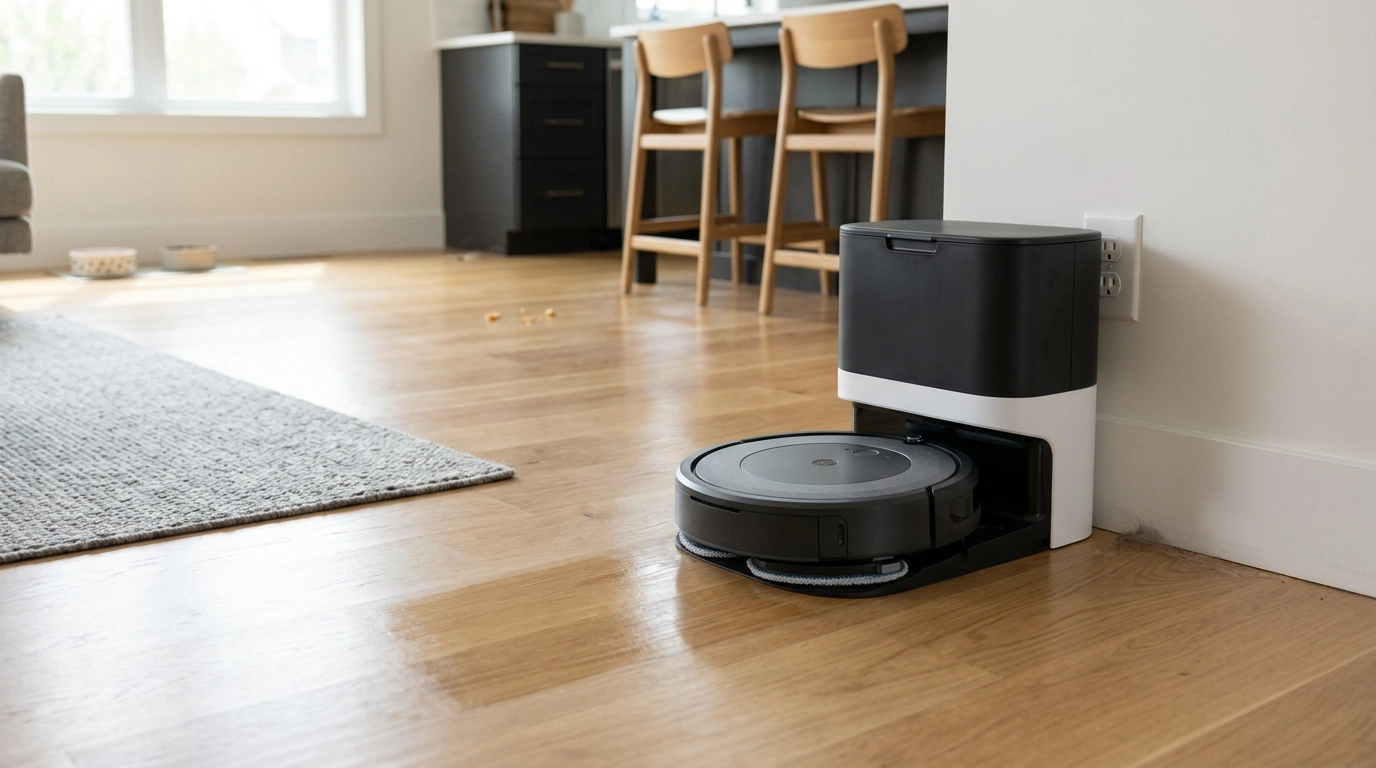
Smart Home Robot Vacuum Cleaner with Mop & Automatic Dust Collection: A Hands-Off Way to Keep Floors Clean
A robot vacuum that also mops—and empties itself—can turn daily cleaning into quick check-ins instead of constant upkeep. A vacuum-mop combo with an automatic dust collection base is built for real homes where crumbs show up after every meal, pet hair drifts into corners, and hard floors start to look dull between deeper cleans. Below is a practical guide to how these systems fit into everyday routines, what features matter most, and how to set one up for reliable, low-effort cleaning on hard floors and carpets. For more guidance, see 4 Best Robot Vacuums of 2026, Tested and Reviewed.
What “vacuum + mop + automatic dust collection” changes day to day
The biggest shift is how often you have to interact with dust and debris. Instead of emptying a small onboard bin after many runs, the robot docks and transfers collected dirt into a larger bag or bin at the base station. That means less frequent emptying and fewer “skipped” cleanings because the bin is full. For further reading, see SwitchBot S10 Review: “This Is the Future for Home ….
- Automatic dust collection moves the mess from frequent bin dumping to periodic bag/bin replacement at the base.
- Vacuum + mop routines help cut the dusty film and footprints that build up on tile, vinyl, and other sealed hard floors.
- Scheduling supports consistent maintenance in kitchens, entryways, and pet zones where debris accumulates quickly.
- Smarter navigation + simple home prep (clearing cords, picking up small items, managing thresholds) typically improves coverage and reduces interruptions.
Key features that make the biggest difference
Not every robot vacuum-mop combo performs the same in mixed homes. The following features usually determine whether cleaning feels truly hands-off or becomes another gadget to babysit.
- Suction performance: Stronger suction helps pull grit from grout lines, lift pet hair off rugs, and collect debris along baseboards.
- Mopping system: Controlled water output and a stable mop attachment help avoid streaks and reduce over-wetting on sealed surfaces.
- Navigation and mapping: Systematic routes generally clean more evenly than random patterns; room-by-room control makes it easier to focus on problem areas.
- Auto-empty base design: Pay attention to capacity, sealing, and how often it needs attention based on home size and shedding level.
- Filtration and sealing: A well-sealed dust path and quality filter can reduce re-circulated fine dust—helpful for allergy-sensitive households (see the EPA’s guidance on household allergens).
- App and voice control: Scheduling, no-go zones, and spot cleaning tend to be the everyday tools owners use most.
How to match cleaning modes to floors, pets, and traffic
Great results often come from matching settings to the space. Instead of running one “max everything” cycle, many homes do better with a repeatable plan that’s gentle on floors and consistent with how people actually live.
Hard floors (tile, LVP, laminate)
Prioritize regular mopping passes, moderate suction, and more frequent edge cleaning near cabinets where crumbs and dust collect. If the unit supports adjustable water output, start low and increase only as needed.
Carpet and rugs
Use higher suction for rugs and carpeted rooms. If mopping is enabled, exclude rugs with no-mop zones or keep mopping limited to hard-floor areas to avoid damp fibers and lingering odors.
Pet homes
High-traffic entryways
Setup checklist for reliable, low-maintenance performance
Maintenance rhythm: what to do daily, weekly, and monthly
Quick care schedule for a vacuum-mop robot with auto-empty base
| Task | How often | Why it matters |
|---|---|---|
| Empty/replace base bag or bin | When full (often every few weeks, varies by home) | Maintains suction at the base and prevents airflow restriction |
| Clean brushes/rollers | 1–3× per week (more with pets) | Prevents tangles that reduce pickup and can trigger errors |
| Wash/replace mop pad | After heavy mopping or at least weekly | Avoids streaking and odor; improves floor finish |
| Wipe sensors and charging contacts | Weekly | Improves navigation accuracy and docking reliability |
| Check/replace filter | Monthly or per app indicator | Helps capture fine dust and keeps airflow strong |
When an automatic dust collection base is most worth it
Product spotlight: Smart Home Robot Vacuum Cleaner with Mop & Automatic Dust Collection
The Smart Home Robot Vacuum Cleaner with Mop & Automatic Dust Collection is designed to combine vacuuming and mopping in one device while reducing hands-on upkeep through automatic dust collection. It’s a strong fit for maintaining everyday cleanliness in mixed rooms—kitchens, living areas, and hallways—where dust and crumbs build up fast.
Helpful add-ons for a cleaner-feeling home
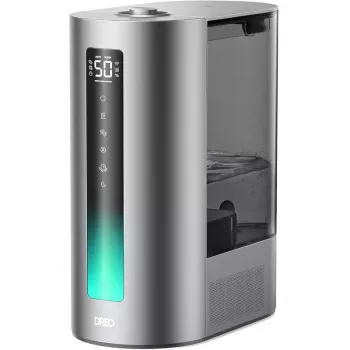
- 6L Smart Humidifier with Warm & Cool Mist, 60-Hour Run Time, Alexa Compatible for balancing comfort during dry seasons (especially when heating runs more often).
- Multi-Tiered Plant Stand – 11 Pot Indoor Flower Shelf, Tall Metal & Wood Rack to lift plants off the floor and make vacuuming around greenery easier.
FAQ
Can it vacuum and mop in the same run?
Many vacuum-mop combos can vacuum while mopping or run in a coordinated routine, depending on the model and settings. To avoid wetting rugs, set no-mop zones or keep mopping limited to hard-floor rooms in the app.
How often does the automatic dust collection base need attention?
In many homes, the base bag/bin needs attention every few weeks, but high-shedding pets or larger floorplans can shorten that timeline. Replace/empty when the indicator shows full (if available) or when you notice reduced airflow, and keep the base intake path clear to prevent clogs.
Is it safe for sealed hardwood and laminate floors?
Sealed hardwood and laminate are generally compatible with controlled mopping when water output is kept low and the pad is clean. Avoid leaving standing moisture, and remove or wash the mop pad regularly to reduce streaking.














Leave a comment