Velvet Sofa Downsides: Marks, Hair, Cleaning & Wear
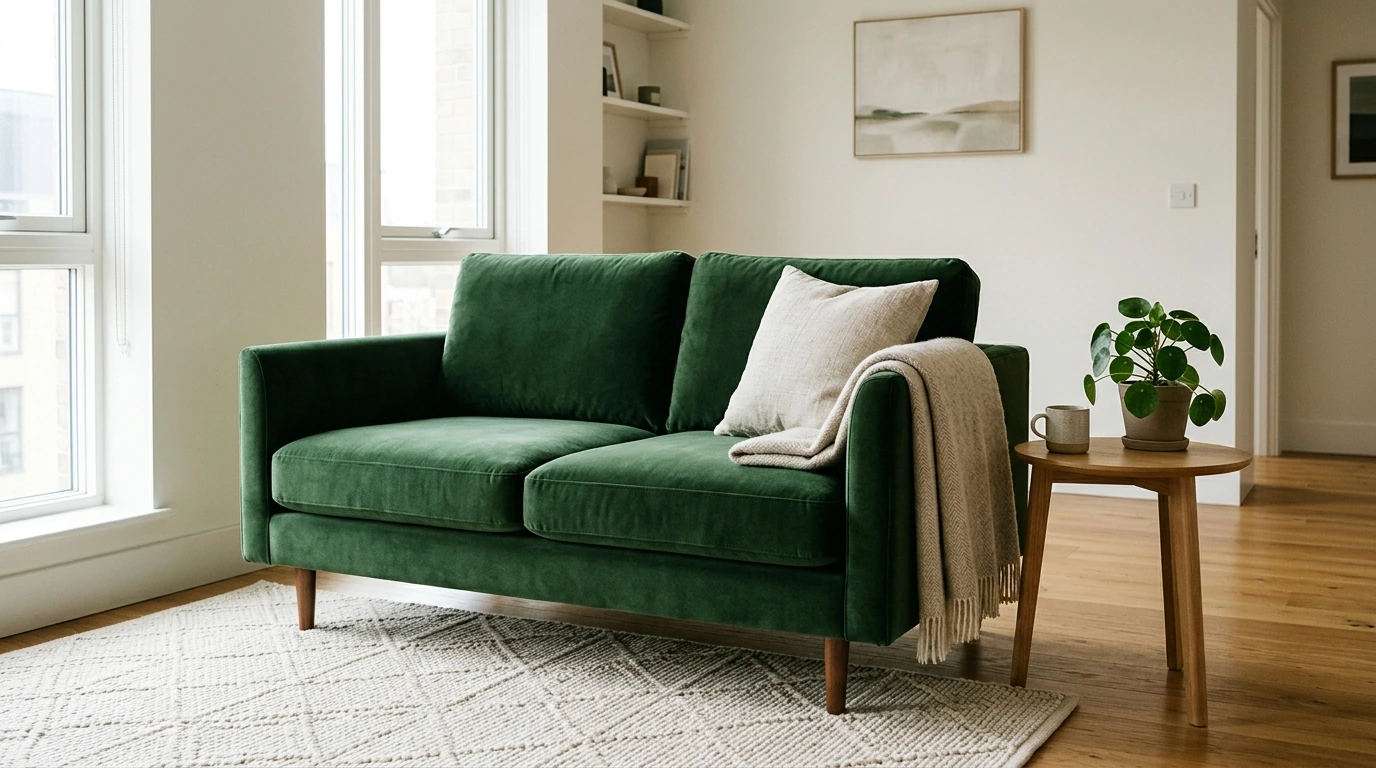
What are the downsides of a velvet sofa?
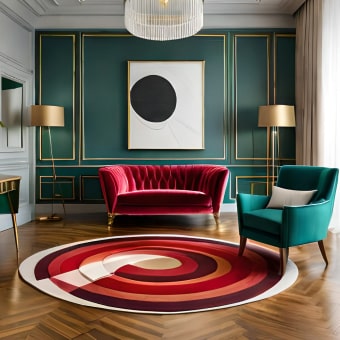
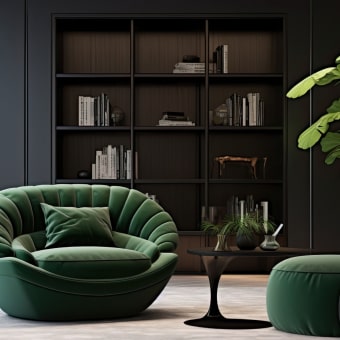
Velvet sofas look rich and inviting, but they come with a few trade-offs that matter in day-to-day living. Before committing to that plush texture, it helps to know where velvet can be less forgiving than other upholstery options.
It shows marks, shading, and “pressure lines”
Velvet’s pile (the tiny upright fibers) changes direction when you brush it, sit on it, or vacuum it. That can create visible shading, handprints, and “crush” marks—especially on seat cushions and armrests. These aren’t always stains, but they can make the sofa look uneven unless you regularly groom the fabric.
Pet hair and lint can cling
Velvet tends to grab onto lint, fuzz, and pet hair more than many woven fabrics. If shedding is a constant at home, expect to use a lint roller or upholstery brush often to keep the surface looking clean.
Some velvet is higher maintenance to clean
Spills can be tricky: certain velvets water-spot easily, and aggressive scrubbing can distort the pile. Many velvet sofas do best with gentle blotting and fabric-appropriate cleaners. It’s important to check whether the upholstery is cotton velvet, synthetic velvet, or performance velvet, since cleaning tolerance varies widely.
It can wear differently in high-traffic spots
Over time, frequent use can lead to flattening in the “favorite seat,” and lighter colors may show wear sooner. Lower-quality velvet can also snag more easily, especially if you have sharp zippers, studs, or curious pets.
Color and texture can look different in changing light
Velvet reflects light in a way that makes the same sofa appear lighter or darker depending on the angle. If consistency is a priority, velvet’s natural sheen and directionality may feel unpredictable.
If you’re weighing velvet for a compact living area, this guide to choosing a velvet two-seater sofa for small spaces covers practical sizing and style considerations: https://favorese.com/guide-velvet-two-seater-sofa-small-space-guide/.
FAQ
Is velvet a good choice for a small living room?
It can be, especially in darker tones that add depth without visual clutter. Performance velvet is often the easiest option for small spaces because it combines the luxe look with better durability and simpler cleanup.










Leave a comment