Outdoor Glamping Hiking Tent: Cozy Basecamp Comfort
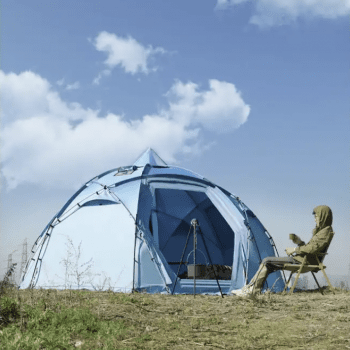
Outdoor Glamping Hiking Tent: Comfort-Forward Shelter for Scenic Overnight Trips
A glamping-ready hiking tent should balance trail practicality with campsite comfort—room to stretch out, weather protection that inspires confidence, and setup that doesn’t eat up daylight. The goal isn’t just to sleep outdoors; it’s to arrive, exhale, and enjoy the place you hiked in to see. Below is a clear breakdown of what matters most in a comfort-forward shelter, how to plan a cozy camp layout, and where the Outdoor Glamping Hiking Tent fits into weekend getaways, scenic basecamps, and longer stays.
What Makes a Glamping Hiking Tent Different
A traditional backpacking tent often prioritizes minimal weight above everything. A glamping hiking tent keeps the “hike” part practical, but shifts the experience toward livability once you’re at camp.
- Space-first design: More headroom and usable floor area so you can sit up, change clothes, and wait out weather without feeling boxed in.
- Comfort features that matter at camp: Thoughtful ventilation, easy-access doors, and interior room for thicker sleeping pads, quilts, or even compact camp furniture (where allowed).
- Weather confidence: A shelter should handle wind and rain without constant fussing. Quality stake-out points, smart rainfly coverage, and tight seams all add up when the sky turns.
- Camp-living practicality: Pockets, loops, and better internal volume make it easier to keep headlamps, layers, and small gear organized—so the tent feels like a tidy “room,” not a gear pile.
Outdoor Glamping Hiking Tent: Quick Snapshot
- Best for: Comfort-forward overnights, scenic basecamps, and car-to-camp walks where the campsite experience matters as much as the hike.
- Ideal users: Couples, solo campers who want extra room, and anyone pairing a tent with thicker pads, quilts, or compact furniture.
- What to check before buying: Packed size/weight, floor dimensions, door placement, and rainfly coverage relative to your local weather patterns.
- See current price, photos, and availability: Outdoor Glamping Hiking Tent (in stock).
At-a-Glance Checklist for Comparing Tents
| Feature | Why it matters | What to look for |
|---|---|---|
| Interior space | Comfort and livability in camp | Enough floor area for your sleeping setup + gear lane |
| Ventilation | Helps reduce condensation | Multiple vents/mesh panels and adjustable openings |
| Rain protection | Stays dry in sustained weather | Full-coverage fly, sealed seams, protected entry |
| Wind stability | Keeps shape in gusts | Strong pole structure + multiple stake-out points |
| Setup time | More daylight for cooking/relaxing | Intuitive pole routing and clear attachment points |
| Access & storage | Convenient entry and organization | Easy door zippers, interior pockets, gear loops/vestibule |
Comfort Planning: Build a Campsite That Feels Like a Retreat
Glamping is less about “luxury stuff” and more about removing friction. A well-planned tent setup makes mornings smoother and evenings calmer.
- Sleep system upgrade: Pair your tent with a thicker insulated pad (or a compact cot where allowed) and a pillow that holds its loft through the night. Your tent’s extra floor space pays off here.
- Lighting that doesn’t blind: Use warm lantern light for the main area, then keep a low-power headlamp for cooking, zippers, or late-night map checks.
- Ventilation strategy: Crack high vents and keep airflow moving to reduce morning dampness—especially if you camp near lakes, rivers, or meadows.
- Mud management: Create a “dirty zone” near the door for shoes and wet layers, and a dry zone for bedding. This one habit keeps the whole tent feeling fresh.
- Noise and wind: Set up behind natural windbreaks (not under dead branches) and orient doors away from prevailing gusts for a quieter night.
Weather Readiness: Rain, Wind, and Condensation
Weather-proof camping starts before you even touch the poles. For broader safety guidance, review the National Park Service camping safety tips, and check forecasts with the NOAA National Weather Service.
Setup and Care Tips That Extend Tent Life
For low-impact camping habits that protect the places you love, follow Leave No Trace’s 7 Principles.
Who This Tent Fits Best (and When to Choose Something Else)
In-Stock Picks for Comfort-Forward Trips
- Outdoor Glamping Hiking Tent — the roomy, camp-comfort centerpiece for scenic overnights and relaxed basecamps.
- A Comprehensive Bundle to Find Authentic Flavors – How to Find Authentic Local Food — a handy planning add-on for road-trip routes and destination camping where meals are part of the experience.
- 6L Smart Humidifier with Warm & Cool Mist, 60-Hour Run Time, Alexa Compatible — a comfort upgrade for dry-air seasons at home, especially after trips where heated indoor air can feel harsh.
FAQ
How do you reduce condensation in a glamping-style tent?
Increase airflow by using vents and mesh, and avoid drying wet clothes inside. Keep sleeping bags and quilts from touching the walls, and choose a campsite with a light breeze instead of a sheltered low spot near water.
Is a roomy hiking tent worth it if the walk to camp is short?
Yes—short approaches are where extra space shines. It makes changing clothes, organizing gear, and waiting out rain or bugs far more comfortable, so the weight/space trade-off is usually worth it.
What should be checked first when setting up before rain arrives?
Start with site selection and drainage, then stake the corners firmly before tensioning the rainfly. Add guylines and use available anchor points to keep the structure stable and the fabric from sagging onto the inner tent.












Leave a comment